
When people receive their blood test reports, one common question they search online is what level of rdw is dangerous. RDW values often look confusing, and without proper explanation, they can cause unnecessary fear. This guide is written in simple language, medically accurate, and optimized for search engines so you can clearly understand RDW levels and their health impact.
Many doctors consider RDW an early warning marker, not a disease by itself. Still, knowing what level of rdw is dangerous can help you decide when to seek medical advice and when not to worry.
What Is RDW in a Blood Test?
RDW stands for Red Cell Distribution Width. It measures how much your red blood cells differ in size. Healthy red blood cells are almost the same size. When there is a big size difference, RDW increases.
People asking what level of rdw is dangerous should understand that RDW is always interpreted together with other blood values like hemoglobin, MCV, and RBC count.
Normal RDW Range Explained
Most laboratories follow this general RDW range:
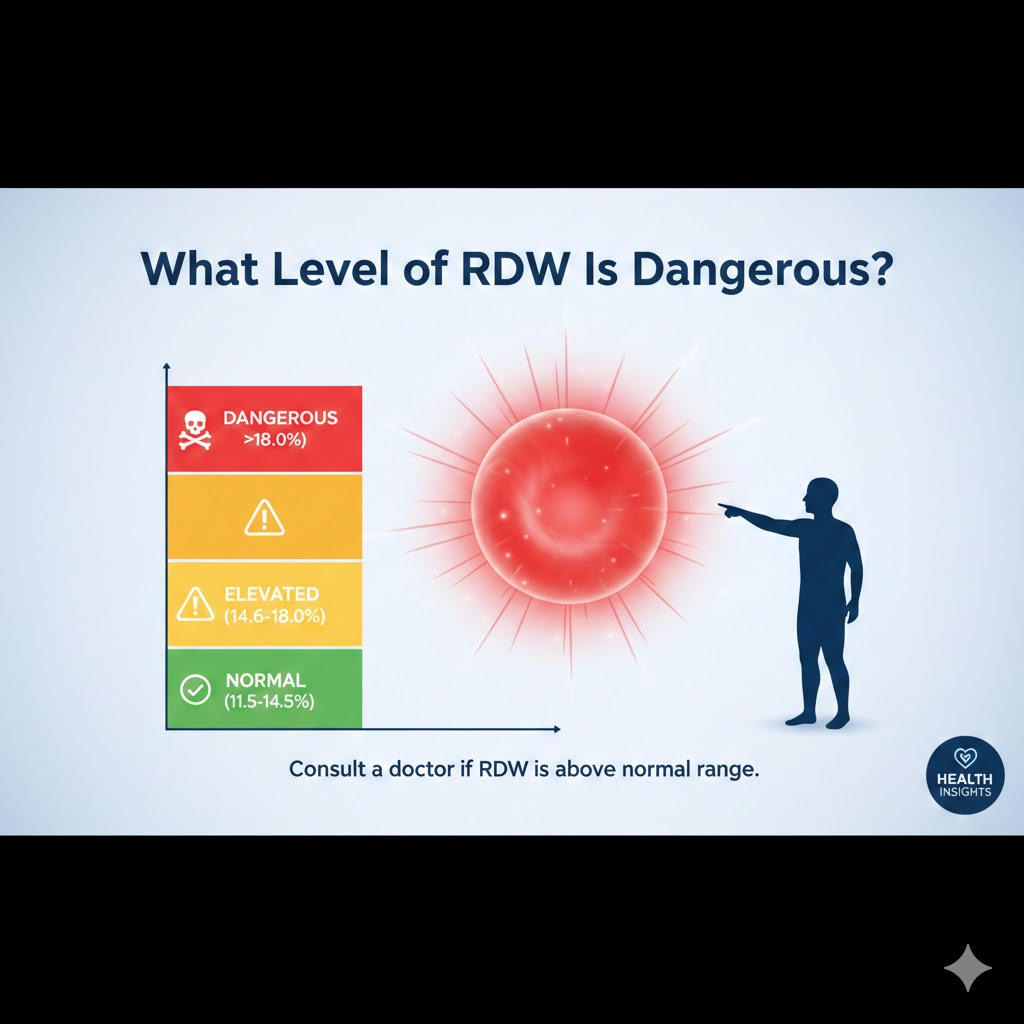
- Normal RDW: 11.5% to 14.5%
- Mildly high RDW: 14.6% to 15.5%
- High RDW: 15.6% to 17%
- Very high RDW: Above 17%
Knowing these ranges helps answer what level of rdw is dangerous in real-life medical situations.
What Level of RDW Is Dangerous According to Doctors?
Doctors usually become concerned when RDW stays above 16% over multiple tests. If someone asks what level of rdw is dangerous, the short answer is that RDW above 16–17%, especially with symptoms, needs medical evaluation.
High RDW becomes more serious when it is combined with:
- Low hemoglobin
- Abnormal MCV
- Chronic fatigue or weakness
This combination often explains what level of rdw is dangerous rather than RDW alone.
Symptoms That May Appear With High RDW
High RDW itself does not cause symptoms, but the underlying condition does. People researching what level of rdw is dangerous often report these symptoms:
- Ongoing tiredness
- Dizziness or lightheadedness
- Pale or yellowish skin
- Shortness of breath
- Cold hands and feet
- Rapid heartbeat
If these symptoms appear along with elevated RDW, medical attention is advised.
Common Causes of High RDW
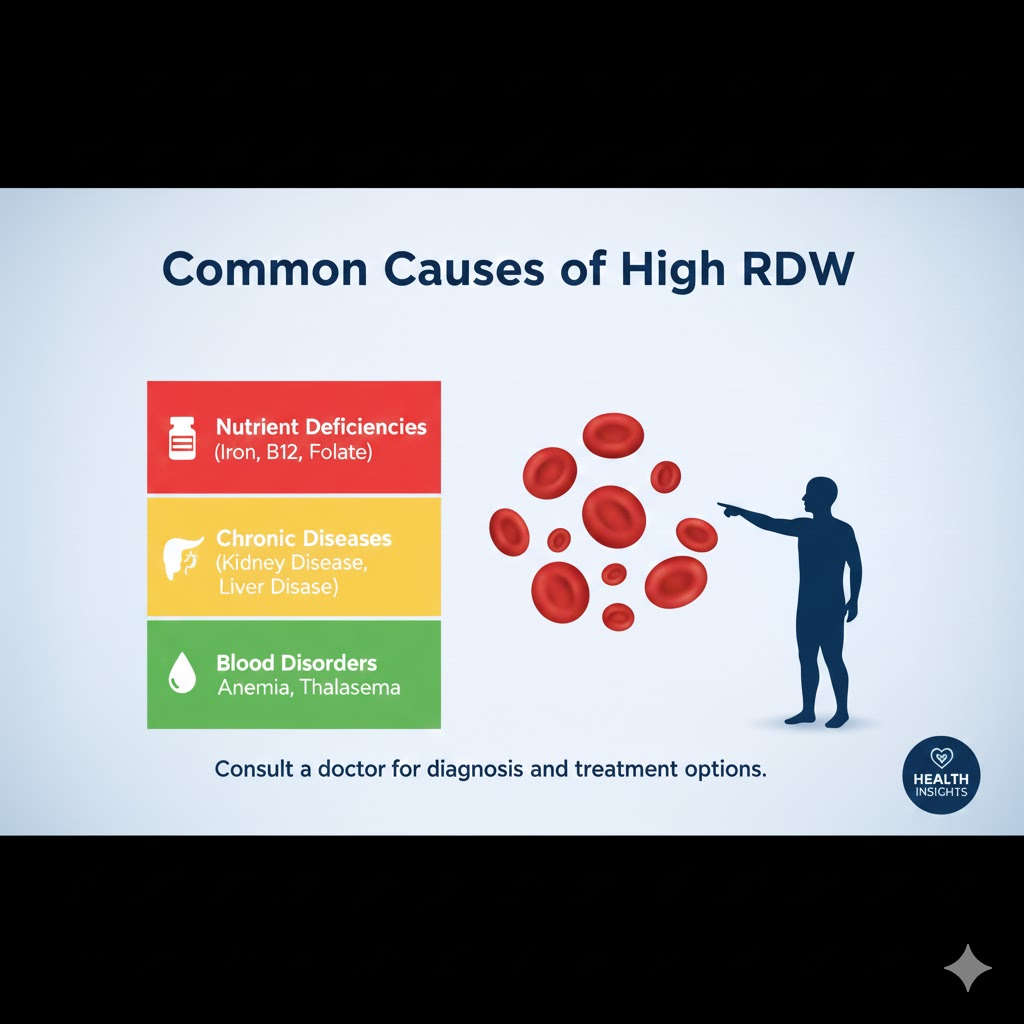
Understanding causes is essential when discussing what level of rdw is dangerous.
Iron Deficiency Anemia
This is the most common cause of high RDW. Iron deficiency leads to uneven red blood cell sizes.
Vitamin B12 or Folate Deficiency
These deficiencies cause large red blood cells, increasing RDW significantly.
Chronic Inflammation
Long-term infections, autoimmune diseases, and arthritis can elevate RDW.
Heart Disease
Studies show a strong association between heart disease risk and high RDW levels, making what level of rdw is dangerous especially relevant for older adults.
RDW With Other Blood Test Values
Doctors never rely on RDW alone. To truly understand what level of rdw is dangerous, they look at RDW along with MCV.
| RDW | MCV | Likely Condition |
| High | Low | Iron deficiency anemia |
| High | Normal | Early anemia or mixed causes |
| High | High | Vitamin B12 or folate deficiency |
| Normal | Low | Thalassemia |
Can High RDW Be Treated?
Yes, in many cases. Once doctors identify the cause behind what level of rdw is dangerous, treatment becomes straightforward.
Common treatments include:
- Iron supplements
- Vitamin B12 injections or tablets
- Folate supplements
- Treating chronic diseases
- Improving overall nutrition
RDW often returns to normal within weeks or months after treatment.
When Should You See a Doctor?
You should consult a doctor if:
- RDW remains above 16%
- You experience persistent fatigue or weakness
- Follow-up tests show increasing RDW levels
These situations clearly explain what level of rdw is dangerous for long-term health.
Lifestyle Tips to Maintain Healthy RDW Levels
If you want to prevent reaching what level of rdw is dangerous, simple lifestyle changes help:
- Eat iron-rich foods like spinach and lentils
- Include vitamin B12 sources such as eggs and fish
- Avoid excessive alcohol
- Stay hydrated
- Manage chronic conditions properly
Summary: What Level of RDW Is Dangerous?
To summarize the topic what level of rdw is dangerous:
- RDW under 15% is usually safe
- RDW between 15% and 16% should be monitored
- RDW above 16% needs medical evaluation
- RDW above 17% may indicate serious health issues
Early detection makes treatment easier and outcomes better.
Read Also The Article: Atlético Mineiro vs Godoy Cruz Lineups – Full Match Preview and Player Stats
Frequently Asked Questions (FAQ)
1. What level of rdw is dangerous?
An RDW level above 16%, especially when persistent, is considered concerning and requires medical evaluation.
2. Can dehydration increase RDW?
Dehydration can slightly affect blood results, but it is rarely the main reason behind what level of rdw is dangerous.
3. Is high RDW always serious?
Not always. Temporary deficiencies can raise RDW, but consistent elevation explains what level of rdw is dangerous.
4. How long does RDW take to normalize?
After treatment, RDW may normalize within 4 to 12 weeks.
5. Can diet alone fix high RDW?
Diet helps, but medical treatment may still be needed depending on what level of rdw is dangerous in your case.
Final Conclusion
Understanding what level of rdw is dangerous helps you take control of your health without panic. RDW is not a diagnosis, but it is a powerful signal. When interpreted correctly and early, it can guide timely treatment and prevent serious complications.