

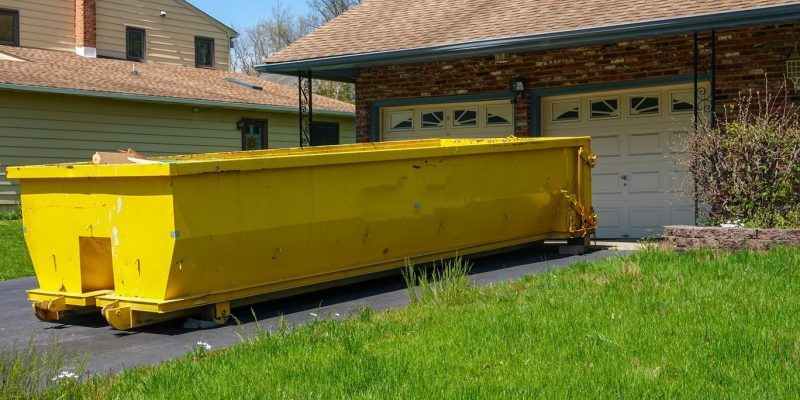
Roll-off dumpster rentals are a common solution for handling large amounts of waste, yet many people are unfamiliar with how they work until they need one. Whether you are planning a home cleanout, renovation, or short-term project, understanding the basics of roll-off dumpsters can make the process easier and less intimidating. This beginner’s guide explains what roll-off dumpsters are, how rentals typically work, and what to expect along the way.
What Is a Roll-Off Dumpster?
A roll-off dumpster is a large, open-top container designed for temporary waste disposal. It is delivered to your location on a specialized truck and placed in a designated area such as a driveway or work zone. The name “roll-off” comes from the way the container is rolled off the back of the truck during delivery and picked up once the rental period ends.
These dumpsters are built to hold significantly more waste than standard trash bins. They are commonly used for projects that generate bulky or heavy debris, such as furniture, construction materials, or large volumes of household junk.
When People Use Roll-Off Dumpsters
Roll-off dumpsters are often associated with construction sites, but they are widely used for residential and general projects as well. Common uses include garage, basement, or attic cleanouts, where years of accumulated items need to be removed. Renovation projects such as kitchen or bathroom updates also generate debris that fits well into a roll-off container.
Exterior projects are another frequent use. Roof replacements, deck removals, fence tear-outs, and landscaping overhauls can all create waste that is difficult to manage without a centralized disposal option. For beginners, the key takeaway is that roll-off dumpsters are designed for short-term needs involving more waste than regular trash service can handle.
How the Rental Process Works
Renting a roll-off dumpster typically starts with selecting a size based on your project. Dumpster sizes are measured in cubic yards and range from smaller options for light cleanouts to larger containers for major renovations. Once a size is chosen, delivery is scheduled for a date that aligns with the start of the project.
After delivery, the dumpster remains on-site for the rental period, which is often several days to a week. During this time, waste can be added as needed. When the project is complete or the container is full, a pickup is scheduled, and the dumpster is removed along with its contents.
Working with a provider such as Waste Removal USA can help beginners navigate size selection, scheduling, and general logistics, making the process more straightforward.
Choosing the Right Size
One of the most common concerns for first-time renters is choosing the correct dumpster size. Underestimating size is a frequent mistake, as debris often takes up more space than expected once it is removed and consolidated. Bulky items like furniture, drywall, and wood can fill a container quickly.
A helpful approach is to think about how much space the debris currently occupies and whether it will expand once items are broken down or piled together. When in doubt, selecting a slightly larger size can help avoid overfilling or the need for an additional rental.
Placement and Loading Basics
Before delivery, it is important to identify a suitable placement area. The location should be level, accessible for the delivery truck, and clear of obstacles. Driveways are a common choice, but side yards or designated work areas may also work depending on the property.
When loading the dumpster, items should be distributed evenly to maximize space. Keeping debris below the fill line is important for safe transport and pickup. Certain materials may be restricted, so reviewing accepted and prohibited items ahead of time helps prevent issues later.
Roll-off dumpster rentals are a practical and flexible solution for managing waste from short-term projects. By understanding what roll-off dumpsters are, how the rental process works, and how to choose the right size and placement, beginners can approach their first rental with confidence. With a bit of planning, a roll-off dumpster becomes a helpful tool that simplifies cleanup rather than adding complexity to the project.